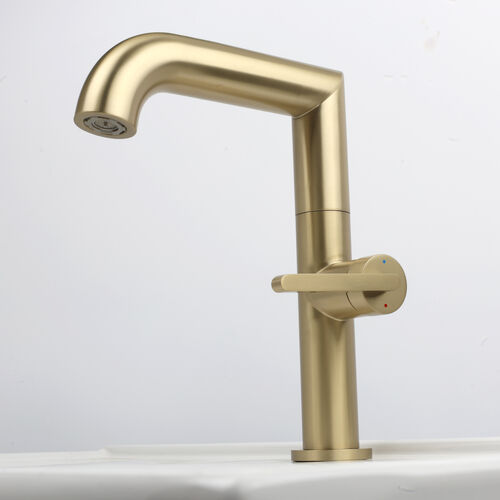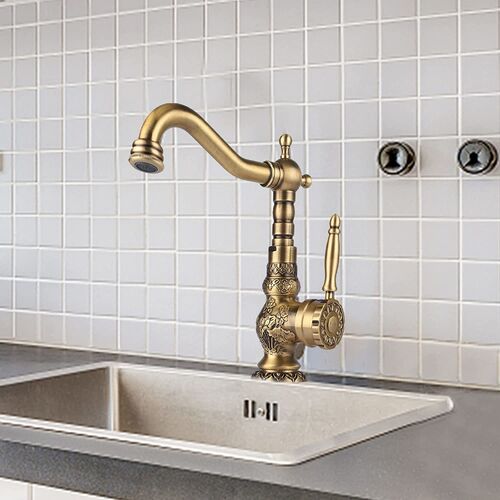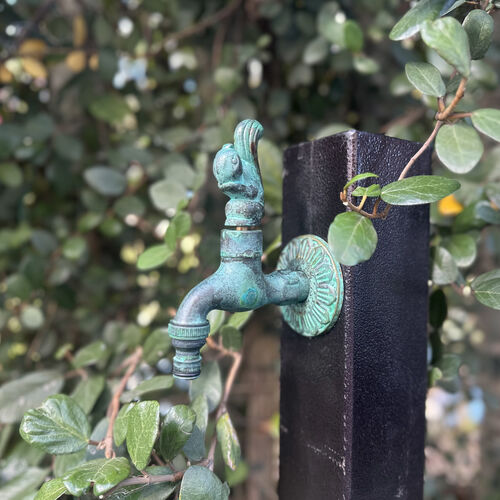
شرکت محصولات فلزی Yuhuan Bangqi در شهر Yuhuan ، استان ژجیانگ واقع شده است. یک تولید بر روی محصولات مسی از سال 2012 است. طیف وسیعی از تولید مانند دوش حمام ، شیر ، شیر آب ، بیدت ،تخلیه کفبه عنوان کارگاهی برای مشتریان برای تولید محصولات سفارشی خود، ما یک گروه موثر، خلاق و معتبر داریم.به ما ملحق شو و به نفع همديگه باش.
.gtr-container-fgh789 {
font-family: Verdana, Helvetica, "Times New Roman", Arial, sans-serif;
color: #333;
line-height: 1.6;
padding: 15px;
box-sizing: border-box;
}
.gtr-container-fgh789 p {
font-size: 14px;
margin-bottom: 1em;
text-align: left;
color: #444;
}
.gtr-container-fgh789 p:last-child {
margin-bottom: 0;
}
.gtr-container-fgh789 .highlight-title {
font-size: 18px;
font-weight: bold;
color: #FDB100;
margin-bottom: 1em;
text-align: left;
}
@media (min-width: 768px) {
.gtr-container-fgh789 {
padding: 25px 50px;
}
}
Material Selection Guide: Zinc Alloy vs. Brass Hardware
Many bathroom suppliers often confuse zinc alloy and brass hardware when making purchases. The two have significant differences in cost, lifespan, and after-sales service. Learning to distinguish them can effectively avoid order risks.
Brass is a copper alloy material with a higher density. It feels heavier in your hand and has a naturally golden color on the cross-section. It is resistant to water vapor corrosion and is unlikely to crack or bubble even in a humid bathroom environment for a long time. It is suitable for angle valves, faucet bodies, and floor drains, which are pressure-bearing and water-contacting components. It is preferred for engineering orders and long-term repeat purchases of high-end orders.
Zinc alloy has a slightly lower density and is significantly lighter in weight compared to the same volume. Its cross-section is mostly silver-white. It has good formability and can be made into complex engraved styles, with a prominent cost advantage. However, its corrosion resistance is weak. It is prone to corrosion and cracking when exposed to hot water and humid air for a long time. It is more suitable for low-budget non-pressure decorative hardware.
In addition to weighing and looking at the cross-section, you can also observe the processing texture. Brass has a solid texture after processing, while the surface of zinc alloy is mostly covered by a thick coating to hide the base material.
.gtr-container-f7e9d2 {
font-family: Verdana, Helvetica, "Times New Roman", Arial, sans-serif;
color: #333;
line-height: 1.6;
padding: 20px;
background-color: #f8f8f8;
border-radius: 8px;
box-shadow: 0 2px 8px rgba(0, 0, 0, 0.05);
}
.gtr-container-f7e9d2 p {
font-size: 14px;
margin-bottom: 1em;
text-align: left !important;
color: #444;
}
.gtr-container-f7e9d2 strong {
color: #000;
}
.gtr-container-f7e9d2 .highlight {
color: #FDB100;
font-weight: bold;
}
.gtr-container-f7e9d2 .section-title {
font-size: 18px;
font-weight: bold;
color: #FDB100;
margin-bottom: 15px;
padding-bottom: 5px;
border-bottom: 2px solid #FDB100;
}
@media (min-width: 768px) {
.gtr-container-f7e9d2 {
padding: 30px;
}
}
Water Seal Depth Explained
Many purchasing customers may wonder how deep the water seal should be to effectively block the stench from the sewer.
The water seal depth refers to the vertical distance from the water surface to the bottom of the seal. If the depth is insufficient, the seal effect is easily lost due to water evaporation, fluctuations in pipe pressure, and the drainage siphoning effect. The unpleasant smell can then flow back through the pipes into the room. The conventional recommended range is 50–100mm. Beyond 100mm, the drainage resistance increases, and problems such as water accumulation and slow flow speed may occur, which is not suitable for high-frequency drainage scenarios in shower areas.
It is also necessary to note the distinction here. 50mm is the factory-specified static water seal height. In environments with low water usage over a long period, water continuously evaporates. When the remaining water seal drops below 20mm, the anti-smell function basically fails. Therefore, when supplying products to home decoration, hotel, and apartment projects, it is recommended to choose styles with a nominal water seal of ≥50mm. At the same time, a water replenishment design can be combined to reduce complaints about dryness and unpleasant odors.
.gtr-container-xyz123 {
font-family: Verdana, Helvetica, "Times New Roman", Arial, sans-serif;
color: #333;
line-height: 1.6;
padding: 20px;
box-sizing: border-box;
}
.gtr-container-xyz123 p {
font-size: 14px;
margin-bottom: 1em;
text-align: left;
}
.gtr-container-xyz123 p:last-child {
margin-bottom: 0;
}
@media (min-width: 768px) {
.gtr-container-xyz123 {
padding: 30px 50px;
}
}
Two showers can be tiled identically and still look like different decades. In one, the floor runs unbroken into a square of the same tile; in the other, a metal grate sits in the middle of the field. Neither is wrong. Which looks better depends on what the floor around it is doing.
A tile insert drain wins on continuity. Its cover carries a cut piece of the surrounding tile, so the grout lines keep running and the eye never stops at a metal object. In a small bathroom that counts double: an unbroken floor looks larger. It suits large-format tiles best, where few joints need matching and the surface already behaves like one sheet.
A standard grate plays the opposite role: it is hardware, not a hole. In brushed brass, matte black or chrome, it echoes the faucet and the shower fittings, the way a handle or a switch plate finishes a room. Classic slot and patterned grates look like deliberate detail in traditional and industrial rooms, where a floor that hides everything can feel unfinished.
Each has a way of going wrong. A tile insert becomes the most noticed spot on the floor when the cut piece breaks a pattern or the seams run uneven; it stops looking hidden and starts looking like a repair. A cheap grate puts everything on display: hair on the metal, limescale dulling the finish, a busy pattern that dates the room faster than the tiles.
So the honest answer is conditional. Modern minimalist rooms with large-format or stone-look tiles get the most from a tile insert, because the point is a floor that never interrupts itself. Heritage, industrial or black-accent rooms, and small mosaic floors, are better served by a grate that joins the metal story the fixtures started.
Upkeep tilts the long-term picture slightly toward the grate. Both covers lift out, but the seam around a tile insert collects soap film that dulls the surface, hard to miss on a seamless floor. A grate keeps its looks with a rinse, though it shows hair until it gets one.
Bangqi builds both types in brass and stainless steel, matching finishes to faucet hardware through electroplating or PVD, so a distributor can serve either choice instead of arguing for one. The better-looking drain is the one that agrees with its floor, and stocking both lets the customer make that call on site.
.gtr-container-xyz123 {
font-family: Verdana, Helvetica, "Times New Roman", Arial, sans-serif;
color: #333;
line-height: 1.6;
padding: 20px;
box-sizing: border-box;
background-color: #f8f8f8;
border-radius: 8px;
box-shadow: 0 4px 12px rgba(0, 0, 0, 0.05);
}
.gtr-container-xyz123 p {
font-size: 14px;
margin-bottom: 1em;
text-align: left;
color: #444;
}
.gtr-container-xyz123 p:last-child {
margin-bottom: 0;
}
@media (min-width: 768px) {
.gtr-container-xyz123 {
padding: 30px;
}
}
The waterfall faucet attracts two opinions at once: it looks spectacular, and it must splash everywhere. The second gets repeated often enough to pass for fact. The honest answer: the faucet alone does not decide splash. The pairing of spout and basin does.
A standard faucet pushes water through an aerator, which mixes air into a narrow, pressurised jet. A waterfall faucet removes the aerator. Water rises into an open channel, spreads across the full width, and falls by gravity as a flat, clear sheet. The sheet looks like far more water than it is, and that illusion feeds the myth.
Splash physics favours the sheet more than the myth expects. A dense, air-free laminar stream keeps its shape and lands with less scattered force than a bubbly jet, and when it lands on standing water, the basin absorbs it quietly. The mess starts when water hits a hard surface at speed. Where the sheet lands matters more than how wide it is.
So the real splashing cases follow a pattern. A tall vessel-height spout over a shallow, flat-bottomed drop-in is the classic mistake: the sheet falls too far, strikes the porcelain or the drain flat, and fans outward. Excessive pressure does the same by breaking the sheet into spray. Poor internal design causes it too, when water spills from one corner of the channel instead of the full width.
Three numbers keep an install quiet. A vessel basin around 5 to 7 inches deep with a curved bottom tames the sheet best. Installers commonly keep the spillway within about 4 to 6 inches of the basin rim, because a shorter drop lands softer. Flow stays reasonable too: most bathroom models meet the same 1.2 GPM WaterSense ceiling as ordinary faucets.
Buyers can test all of this before ordering. Run the sample at household pressure, around 40 to 60 psi, and watch whether the sheet falls evenly across the full width or breaks at the edges. Check spout height and reach against basin depth, and keep the landing zone over the centre or the slope, not the drain flat. A model that needs a specific pressure range should say so on the spec sheet.
Whether the spout is conventional or waterfall, the parts that decide its life are the same: a solid brass body, a quality cartridge and a consistent finish. Bangqi machines brass faucet bodies and applies spray, powder, electroplated and PVD finishes to a consistent standard, so distributors can add any style to the shelf and know the base underneath is right.
.gtr-container-fgh789 {
font-family: Verdana, Helvetica, "Times New Roman", Arial, sans-serif;
color: #333;
line-height: 1.6;
padding: 20px;
box-sizing: border-box;
}
.gtr-container-fgh789 p {
font-size: 14px;
margin-bottom: 1em;
text-align: left !important;
}
.gtr-container-fgh789 .gtr-highlight {
color: #FDB100;
font-weight: bold;
}
.gtr-container-fgh789 .gtr-section-title {
font-size: 18px;
font-weight: bold;
color: #FDB100;
margin-bottom: 15px;
padding-bottom: 5px;
border-bottom: 2px solid #FDB100;
}
.gtr-container-fgh789 .gtr-material-section {
background-color: #fff8e1;
border-left: 5px solid #FDB100;
padding: 15px;
margin-bottom: 20px;
border-radius: 4px;
}
.gtr-container-fgh789 .gtr-material-section strong {
color: #FDB100;
font-size: 16px;
display: block;
margin-bottom: 5px;
}
@media (min-width: 768px) {
.gtr-container-fgh789 {
padding: 30px 50px;
}
.gtr-container-fgh789 .gtr-material-section {
padding: 20px;
}
}
هنگام انتخاب سر دوش توسط خریداران خارجی، جنس مستقیماً قیمت، جایگاه محصول و ریسکهای بلندمدت خدمات پس از فروش را تعیین میکند. سه ماده اصلی - ABS، برنج و فولاد ضد زنگ - تفاوتهای قابل توجهی در هزینه، عملکرد و کاربرد در بازار دارند.
سر دوش پلاستیکی ABS
سر دوش پلاستیکی ABS کمترین هزینه مواد اولیه را دارد، پردازش و شکلدهی آن آسان است و میتوان آن را در طرحهای ظاهری متنوعی تولید کرد. پس از آبکاری، ظاهری برجسته دارد. این سر دوش برای سفارشات انبوه مقرون به صرفه و هتلهای اقتصادی مناسب است. با این حال، مقاومت حرارتی و قابلیت ضد پیری آن ضعیف است. در محیط آب با دمای بالا در بلندمدت، خطر ترک خوردگی و پوستهپوسته شدن پوشش وجود دارد، بنابراین برای بازارهایی با بودجه محدود و الزامات تضمین کیفیت پایین مناسبتر است.
سر دوش برنجی
سر دوش برنجی بالاترین هزینه را دارد. ساختار برنج فورج شده پایدار، مقاوم در برابر فشار و خوردگی است و رزوه ها بادوام بوده و مستعد لغزش نیستند. این سر دوش میتواند نیازهای بازار سطح بالا و پروژههای دکوراسیون اروپایی و آمریکایی را برآورده کند. محصول دارای مزیت قیمتی قوی است. با این حال، وزن خود آن بیشتر است و نوسانات قیمت مواد اولیه مستقیماً بر قیمت سفارش تأثیر میگذارد.
سر دوش فولاد ضد زنگ
سر دوش فولاد ضد زنگ در محدوده قیمتی متوسط قرار دارد. عملکرد عالی در جلوگیری از زنگ زدگی دارد، سبک است و بیشتر با پرداخت برس خورده پردازش میشود که باعث میشود اثر انگشت کمتر باقی بماند. فولاد ضد زنگ 304 برای سفارشات عمده فروشی بینالمللی میانرده مناسب است. با این حال، پردازش اشکال پیچیده دشوار است و در برخی مدلهای ارزان قیمت با دیواره نازک باید مراقب خطر حفرههای ماسهای و نشت آب بود.
برای خریدهای B2B، نمیتوان صرفاً بر قیمت واحد تمرکز کرد. لازم است استانداردهای بازار هدف، دوره گارانتی و هزینههای خدمات پس از فروش به طور جامع برای ارزیابی متعادل در نظر گرفته شود.
.gtr-container-fgh789 {
font-family: Verdana, Helvetica, "Times New Roman", Arial, sans-serif;
color: #333;
line-height: 1.6;
padding: 20px;
max-width: 960px;
margin: 0 auto;
box-sizing: border-box;
}
.gtr-container-fgh789 p {
font-size: 14px;
margin-bottom: 1em;
text-align: left;
color: #444;
}
.gtr-container-fgh789 p:last-child {
margin-bottom: 0;
}
@media (min-width: 768px) {
.gtr-container-fgh789 {
padding: 30px;
}
}
وقتی که بسیاری از خریداران خارج از کشور، کانال های تخلیه خطی OEM را سفارش می دهند،آنها اغلب متوجه نمی شوند که کدام پارامترها می توانند تنظیم شوند و کدام یک توسط قالب و فرآیند محدود شده و نمی توانند تغییر کنند. از قبل این موضوع را روشن کنید می توانید از کار مجدد نمونه و تاخیر در تحویل جلوگیری کنید.
بسیاری از موارد وجود دارد که می تواند به طور متعارف اصلاح شود. طول می تواند با توجه به نیازهای پروژه برش داده شود و درمان های سطحی می تواند شامل پولیش، رنگ آمیزی و الکترواستیشن باشد.الگوی شبکه می تواند تغییر کند، حکاکی LOGO، و علامت گذاری لیزر همه می تواند به دست آید؛ موقعیت خروجی و جهت رابط نیز می تواند به صورت مورد نیاز تنظیم شود.روش بسته بندی و چاپ علامت حمل و نقل نیز قابل تنظیم استاین تغییرات دارای هزینه های پایین و چرخه های تولید نمونه کوتاه است.
با این حال، پارامترهای ساختاری اصلی که توسط قالب های ثابت ایجاد می شود، اغلب تحت تغییر خودسرانه قرار نمی گیرند. عرض حفره داخلی و ارتفاع کلی پایه کانال تخلیه،و همچنین ضخامت دیواره قالب اصلی، اگر اصلاح شود، نیاز به ساخت یک قالب جدید دارد، که گران است و چرخه طولانی دارد. ساختار ثابت سوراخ های شبکه به طور کلی برای تغییر توصیه نمی شود،زیرا بر سازگاری حمل و نصب اثر می گذارد.برای برخی از مدل ها، اگر مشخصات رابط خروجی آب تغییر می کند، این مسئله مربوط به مسائل مربوط به لوله های همراه است و محدودیت های تغییر نیز نسبتا بزرگ است..